Reporting by Emily Barnes, New York State Team / Rockland-Westchester Journal News
A union representing New York educators is calling for statewide safeguards against the use of artificial intelligence in schools after a district announced their involvement in a pilot program that includes a humanoid robot’s presence in a classroom.
Excitement over the Salamanca City School District’s recent partnership with Realbotix, a developer of humanoid robots and advance AI systems, revealed earlier this month, quickly waned as the decision made by the western New York district was immediately met with a firestorm of criticism by parents, educators and others throughout the state voicing concerns with the implementation of a classroom robot.
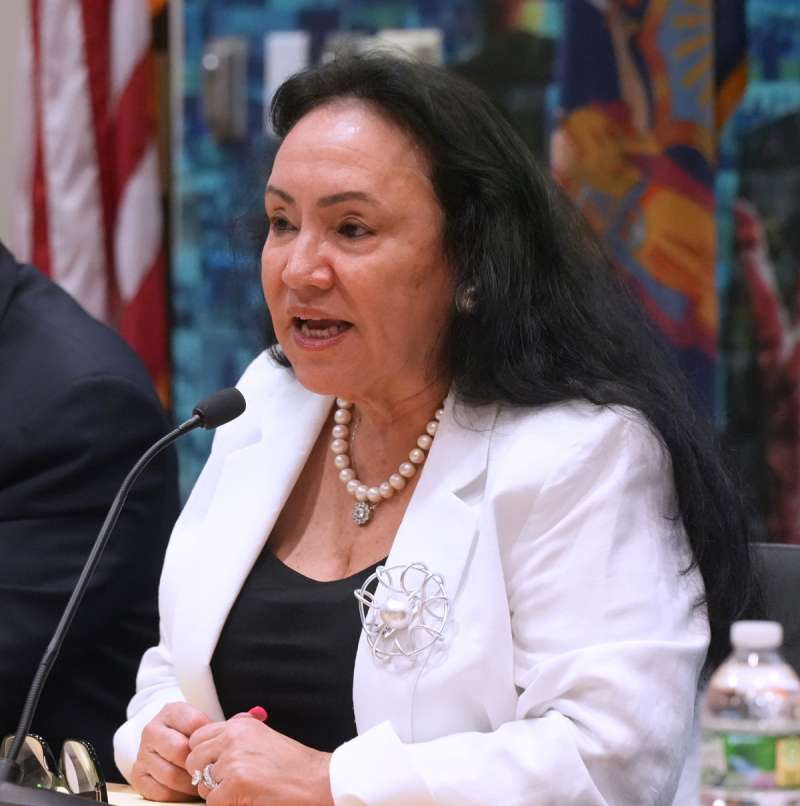
Both the district and the company insist the program is safe, but others aren’t so sure. And while the district’s involvement in the program is now currently on hold, New York State United Teachers President Melinda Person wants state officials to do more to protect students and teachers alike.
“We call on the Department (of Education) and the Board of Regents, and/or the Governor and the Legislature, to establish clear, enforceable statewide guardrails for artificial intelligence in our schools with specific, heightened protections wherever AI is humanoid, embodied or designed to mimic human relationships so that these questions are asked before a purchase order is signed, not after a news story breaks,” Person said in a letter sent to several state agencies on July 26.
Here’s what to know.
What would the classroom robot program do?
A small group of Salamanca High School students enrolled in certain science, technology, engineering, arts, and mathematics (STEAM) classes would partake in the program, which includes an educational robot and AI-powered educational assistant “designed to support teaching and learning,” according to the district.
The robot, which has been named “Sally” after the name of the school district, “uses natural conversation, facial expressions and real-time interaction to create engaging, hands-on learning experiences” and “aims to encourage student participation and provide early exposure to emerging technologies,” Realbotix says.
The district and Realbotix say the system doesn’t collect personally identifiable information, record video or audio, transmit data to the Realbotix Corporation, search the Internet or generate responses beyond the approved knowledge base.
Additionally, the system is said to operate “in accordance with district policies and state privacy requirements” and includes “extensive safety guardrails that redirect conversations away from inappropriate topics and back toward educational content.”
“This pilot program represents another step toward ensuring our students graduate with the skills needed for tomorrow’s workforce while preserving the relationships and instructional practices that make Salamanca schools exceptional,” the district says.
Why are there concerns about the program?
Some of the red flags raised by NYSUT and others include the questionable history of the company the school district is partnering with as well as how the use of a humanoid robot may affect New York educators’ jobs.
According to several media reports, Realbotix is a Toronto-based company formerly known as Tokens.com, which acquired a parent company that makes hyper-realistic sex dolls in 2024. Person expressed concern about this in a statement on July 23 where she said in part “a robot built by a company associated with sex dolls has no business in our classrooms.”
But Realbotix says that connection is false.
“The Salamanca robot is a newly manufactured, purpose-built educational unit,” the company said in a statement. “No existing consumer product or hardware is being modified or repurposed for the school. Realbotix LLC focuses exclusively on non-adult commercial applications, including healthcare and education. No adult-products business has any involvement in the Salamanca project or in any product or initiative developed by Realbotix LLC.”
And both the district and Realbotix say the program won’t replace educators.
“Like a calculator, laboratory apparatus or other instructional tool, it can help students engage with educational material and gain hands-on exposure to AI and robotics, but it does not perform the work of a teacher,” according to Realbotix. “Characterizations suggesting that the technology would replace teachers or assume their responsibilities are false.”
The district paid $57,590 for the robot and the accompanying software, which was discounted from the $95,000 list price, according to NYSUT, and yearly software updates and maintenance costs could add nearly $2,000 to that total annually.
“For that money, the district could hire an actual, human teaching assistant: certified and pre-loaded with real human empathy at no additional annual fee,” Person said.
Salamanca Superintendent Mark Beehler addressed some of these concerns during a July 21 board meeting, telling those in attendance that there’s a “whole lot of misinformation and misunderstanding about what we’re looking to do here,” and was seemingly surprised by the backlash.
“If this looked like a golden retriever and did exactly the same thing, I don’t think we’d have as many people here,” Beehler said.
Where do things stand now?
As of July 24, the school district has paused their involvement in the program while they “work through enhanced student data privacy agreements with the New York State Education Department and continue engaging with our community and stakeholders,” according to a post on the district’s Facebook page.
This comes after state Education Department Commissioner Betty A. Rosa sent a letter to the district about its concerns with the program, which was first obtained by New York Focus.
“Many parents, teachers, and stakeholders are understandably concerned about the presence of Artificial Intelligence technology in classrooms, particularly when it involves robots that resemble humans,” the letter stated.
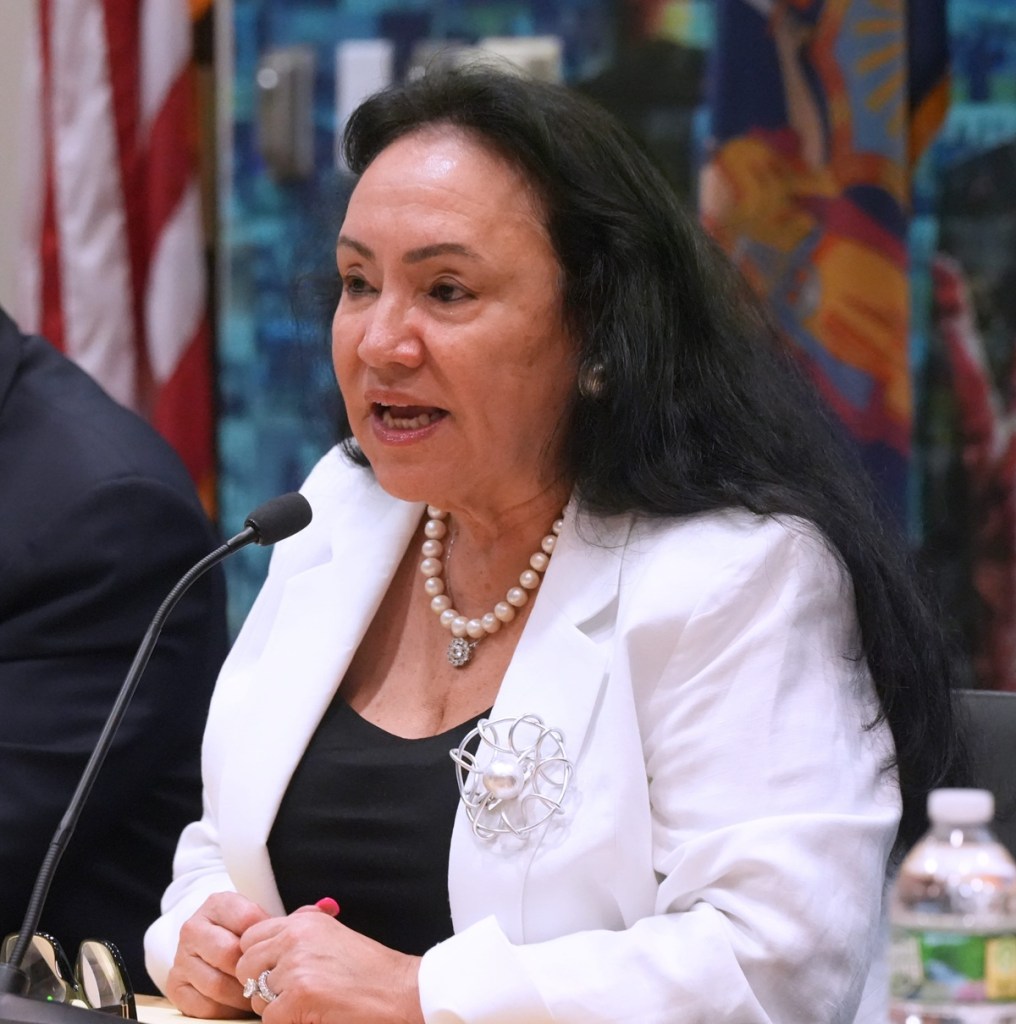
Rosa also said the department would monitor the district’s decision for any issues that may arise, and the governor’s office says they’re working with the state Education Department to make sure the program gets appropriate oversight.
“As technology continues to evolve, the Governor is in conversation with teachers, parents, and experts to ensure New York remains at the forefront of protecting students, while equipping them with the tools they need to succeed,” spokesperson Emma Wallner said.
Realbotix said they respect the district’s decision to pause the program temporarily, are “committed to transparency” and welcome “any technical, privacy or compliance review of the AI platform and physical robot requested by the district or New York State.”
How lawmakers, NYSUT are responding to robot program’s pause
Sen. George Borrello, a western New York Republican whose district includes Salamanca school district, initially expressed his support of the district’s involvement in the pilot program on July 16, commending them for “exploring new tools while keeping the focus where it belongs: on students, teachers and safe, responsible learning.”
He says he understands the pause, though, as it allows concerns to be addressed.
“Technology will never replace great teachers, but used the right way, it can help close gaps, especially in rural communities where specialized instruction is hard to come by,” Borrello added. “This pause shouldn’t be viewed as a rejection of innovation, but as a chance to do it right, with the safeguards needed to earn the trust of parents, educators and the public.”
NYSUT President Person said the pause is the “right call” and thanked the commissioner for their actions, but also shared that many questions around the program remain.
“No machine, however lifelike its silicone skin, can do that job — and no New York student should be the test case for the proposition that it can.”
Emily Barnes covers state government for the USA TODAY Network-New York with a focus on how policy and laws impact New Yorkers’ taxes, communities and jobs. Follow her on Instagram or X @byemilybarnes. Get in touch at ebarnes@usatodayco.com.
This article originally appeared on Rockland/Westchester Journal News.
Related: Inside New York health officials push for back-to-school vaccinations