Reporting by Michelle Grisales, Rockland/Westchester Journal News
As families prepare for the start of the 2026-27 school year, New York state’s requirements for students should be a key part of their checklist before classes begin in early September.
The state requires age-appropriate back-to-school vaccinations to protect against several diseases, and students who do not meet the requirements, or qualify for a medical exemption, will be excluded from school until they comply, health officials said.
Politically charged debates over school vaccinations have mounted since New York stopped allowing religious exemptions in 2019 after a measles outbreak in parts of Brooklyn and Rockland County.
Recent federal vaccine policy changes under Health and Human Services Secretary Robert F. Kennedy Jr. in 2026 have also drawn pushback from health officials in New York and other states.
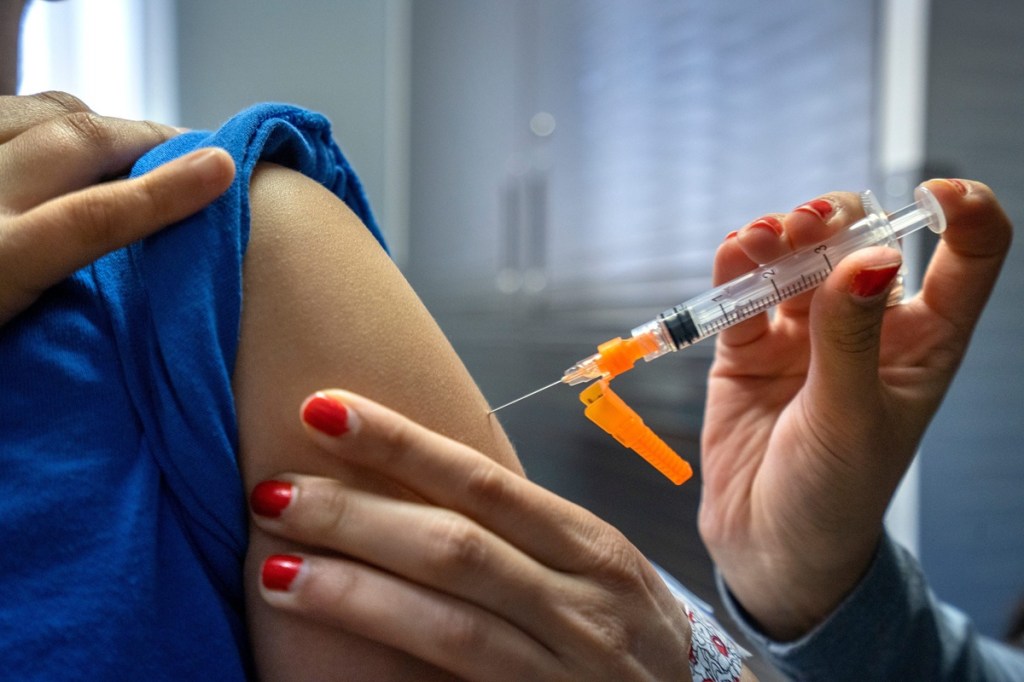
What school vaccinations are required New York?
New York requires students attending public, private and parochial schools to receive immunizations based on theschedule recommended by the Advisory Committee on Immunization Practices, a public health committee affiliated with the Centers for Disease Control and Prevention, state health officials said. The diseases protected against include:
- Diphtheria, tetanus and pertussis (DTaP or Tdap, depending on age)
- Polio
- Measles, mumps and rubella (MMR)
- Hepatitis B
- Varicella (chickenpox)
Students entering certain grades also must receive additional vaccines against other diseases.
For example, students entering seventh grade are required to receive one dose of the Tdap vaccine and one dose of the meningococcal conjugate vaccine. Students entering grades 8, 9, 10 and 11 must have one dose of meningococcal vaccine if they have not already received it.
Students entering 12th grade generally must receive a second dose of the meningococcal vaccine unless their first dose was administered at age 16 or older.
The number of doses required for several vaccines varies based on a student’s age and grade level. Parents can review the complete immunization schedule through the New York State Department of Health — at health.ny.gov — before the school year begins.
Why school vaccinations are back in the spotlight
New York’s school vaccination requirements have drawn renewed attention this summer following a record civil penalty against a former Long Island nurse practitioner accused of creating fraudulent vaccination records for hundreds of children.
On July 9, the state Department of Health announced a $544,000 civil penalty against Julie DeVuono, calling it the largest civil fine in the agency’s history. State investigators found DeVuono fraudulently entered vaccination records into the state’s immunization database for 162 school-aged children between 2021 and 2022, including children from the Hudson Valley, the agency noted.
Families whose children received the fraudulent records were later required to provide legitimate proof of immunization before the students could return to school.
“Vaccines are the best protection against serious preventable diseases, and the New York State Department of Health has zero tolerance for those that misrepresent or falsify vaccination records as these acts put lives in jeopardy,” state Health Commissioner Dr. James McDonald said in a statement on the case.
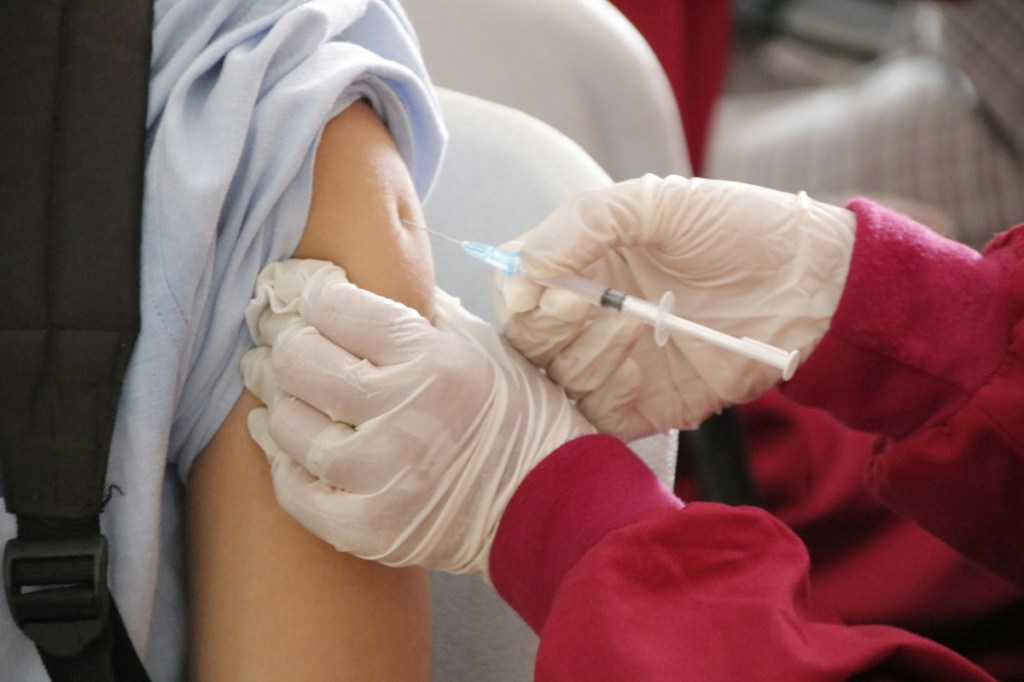
The enforcement action comes as public health officials nationwide warn of a resurgence in vaccine-preventable diseases. The United States has already surpassed last year’s total number of measles cases.
As of July 23, 2026, 2,318 confirmed measles cases were reported — the highest annual total in decades. Most cases have occurred among people who were unvaccinated or whose vaccination status was unknown. Earlier this year, Rockland County reported three cases of measles linked to international travelers.
Declining protections have also been attributed to the growing anti-vaccine movement, which was bolstered by the confirmation of vaccine skeptic Robert F. Kennedy Jr. as health secretary, USA TODAY reported.
In addition to making anti-vaccine comments, Kennedy also downplayed pediatric deaths related to measles and touted false cures and preventives, such as the use of vitamin A. During the height of the 2025 outbreak, he somewhat pulled back from anti-vaccine messaging and encouraged inoculation against measles.
Plummeting vaccination rates and the resulting resurgence in cases have put the United States at risk of losing its measles elimination status. Defined by the WHO as freedom from the continuous spread of a disease for at least a year, reaching elimination status has been called a “historic public health achievement” by the CDC
Are exemptions allowed?
New York allows only medical exemptions from school vaccination requirements. Medical exemptions must be certified by a licensed physician, nurse practitioner or physician assistant. The state eliminated non-medical religious exemptions in 2019 following the measles outbreak that sickened hundreds in Rockland County and parts of New York City.
Students who do not meet immunization requirements or qualify for an approved medical exemption may be excluded from school until they comply with state law.
Where can families find more information?
The New York State Department of Health publishes the complete immunization requirements for school attendance, including the number of doses required by age and grade level. It also has an informational hotline at its Division of Vaccine Excellence, (518) 473-4437.
Parents should check the state’s guidance before the first day of school and contact their child’s health care provider or school district with questions about required vaccinations or immunization records.
Includes reporting by USA Today Network.
This article originally appeared on Rockland/Westchester Journal News.
Related: New York health insurance rates could spike by 20% in 2027