New York state lawmakers passed a $268.5 billion budget late Wednesday night—the tardiest spending plan in nearly two decades, eight weeks past the April 1 deadline.
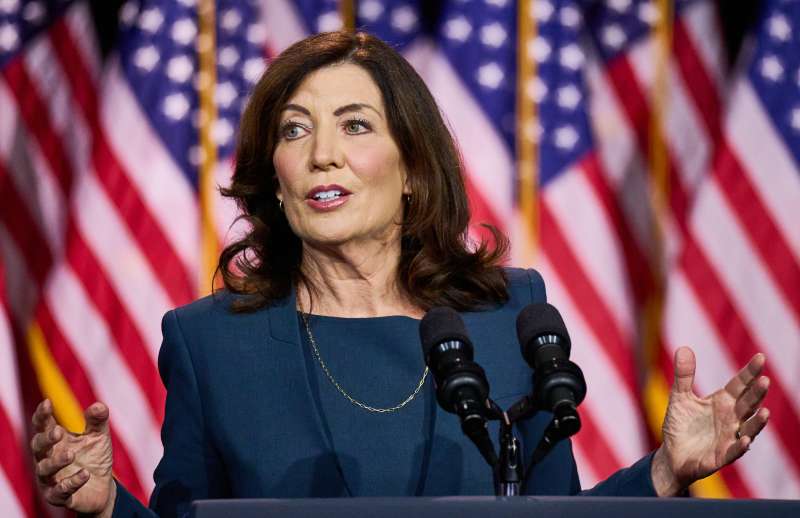
Gov. Kathy Hochul, who is running for reelection this fall, used the budget to push through a slate of policy priorities.
What’s in it:
1. A new tax on high-end second homes
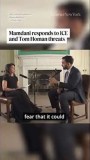
A so-called pied-à-terre tax on non-primary residences in New York City worth millions of dollars is expected to generate roughly $500 million a year to help close the city’s structural deficit. The tax was a major point of negotiation for NYC Mayor Zohran Mamdani, who campaigned on taxing the wealthy to fund city services, though state and city finance officials are still hammering out how property market values will be reliably determined.
2. A weakened climate law
The budget eliminates a previous mandate that New York cut greenhouse gas emissions 40% by 2030—a goal the state was not on track to meet.
In its place: a target of cutting emissions by 60% by 2040, along with changes to the state’s accounting methods for methane that will instantly alter how the state calculates its progress. Environmental groups and some Democrats immediately criticized the rollback.
“I do not support weakening our commitment to confronting the climate crisis,” said Assemblywoman Jessica González-Rojas, who voted for the budget anyway.
3. New limits on ICE
The budget bans 287(g) agreements that allow local police to act as immigration enforcement agents, and prohibits local police from tipping off ICE during non-criminal encounters like traffic stops.
Groups including Make the Road New York, the Immigrant Defense Project, and the New York Civil Liberties Union say the package doesn’t go far enough, arguing it won’t prevent day-to-day informal cooperation between local police and ICE during traffic stops and arrests.
They’re pushing lawmakers to pass the New York for All Act before the session ends June 4, which would bar state and local agencies, including police, from using state resources or sharing information to assist federal immigration enforcement.
4. A pension boost for public workers
After years of pressure from labor unions including New York State United Teachers, the United Federation of Teachers, and the New York State AFL-CIO, lawmakers approved significant reforms to Tier 6 of the state retirement system. Teachers will now be able to retire at 58 with 30 years of service rather than 63, while lower-income public workers will see their contribution rates reduced.
5. Cash for struggling cities
Better-than-expected Wall Street returns gave Albany room to spread extra funding to municipalities. Yonkers received an extra $40 million to help balance its budget, while Buffalo received $25 million in additional legislative aid. Albany, Rochester, and Syracuse were appropriated $20 million apiece.
What’s not in the budget:
1. Relief for 450,000 New Yorkers losing health coverage
This summer, 450,000 New Yorkers enrolled in the state’s Essential Plan are expected to lose their public health insurance on July 1 due to the sunsetting of a federal pandemic-era waiver. Hochul declined to use state funds to preserve that coverage, despite late-stage bills introduced by legislative health chairs to avert the health insurance cliff.
2. A tax hike on the ultra-wealthy
Progressive lawmakers pushed hard for new income taxes on the state’s highest earners to fund social programs. Hochul held the line against broad increases.
“We have watched our executive co-opt the language of affordability,” said Assemblywoman Diana Moreno, who took office in February after winning a special election to fill Mayor Mamdani’s vacated seat, “while ignoring the vast majority of New Yorkers who wanted to increase taxes on the ultra-wealthy.”