A state appellate panel in Brooklyn on Wednesday overturned a Staten Island judge’s ruling against New York City’s rollout of Mayor Zohran Mamdani’s pied-à-terre tax, dismissing the homeowners’ lawsuit and clearing the way for the city to collect the levy on high-end second homes.
The panel found that the homeowners who sued lacked legal standing because they failed to demonstrate any concrete injury from the city’s actions, CNN reported. Receiving a tax notice or appearing on the city’s public list of potentially liable properties fell short of that threshold, the judges wrote, per Gothamist.
The court left unresolved whether the city followed proper procedure.
In September, state Supreme Court Justice Wayne Ozzi ruled that the Department of Finance had trampled homeowners’ due process rights when it posted a tax roll naming more than 900,000 homeowners and mailed roughly 17,000 notices requiring recipients to file for an exemption or pay the surcharge. He ordered the city to scrap both and start over. The city appealed that evening and invoked a stay, which let implementation continue while the case proceeded.
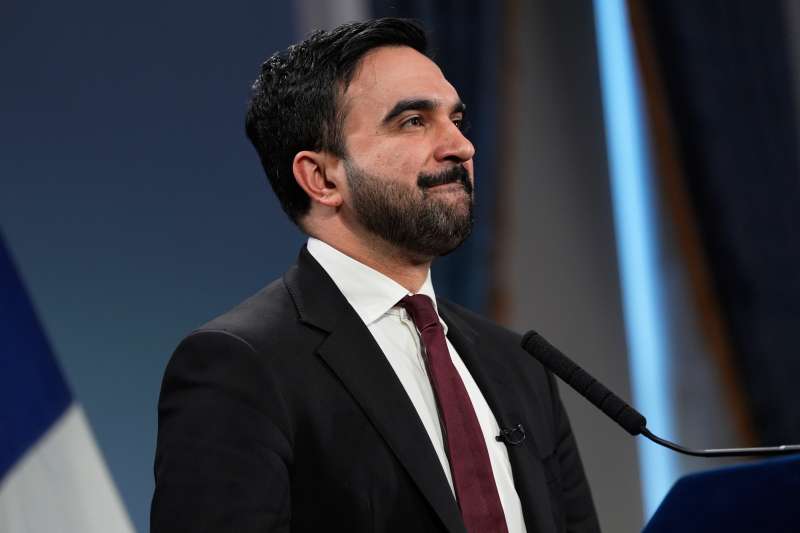
“Today, an appeals court rejected an attempt by the ultrawealthy to avoid paying their fair share,” Mamdani said in a statement, adding that he was “heartened” by the decision. The surcharge, he said, asks owners of luxury second homes “to contribute toward the safer streets, cleaner parks and essential public services that every New Yorker deserves.”
Randy Mastro, the homeowners’ attorney and a former first deputy mayor under Eric Adams, challenged only how the city administered the tax. In a statement, he called the city’s approach “unconscionable” and said its “lawless and chaotic data collection scheme will go unremedied.”
Mastro predicted the surcharge would meet its “ultimate day of reckoning” next month, when a court weighs its constitutionality.
That fight centers on two pending suits in Suffolk County, including one brought by former Commerce Secretary Wilbur Ross and casino magnate Steve Wynn. Both argue the tax breaches state constitutional caps on how much revenue the city can raise through real estate taxes, and that it discriminates against nonresidents in violation of the US Constitution. Mamdani vowed to keep defending the law against what he called “some of the same uberwealthy interests whose arguments just lost in court today.”
The surcharge applies to one- to three-family homes valued above $5 million, and to co-ops and condos valued above $1 million, whose owners keep their primary residence elsewhere. Homes that are rented out, or where a relative of the owner lives most of the time, are exempt.
Mamdani and Gov. Kathy Hochul proposed the tax in April to help close the city’s budget gap, and it passed as part of the state budget. The administration projects about $500 million a year, a figure that now looks optimistic.
The Department of Finance has already granted more than 8,800 exemption requests, Gothamist reported, and city Comptroller Mark Levine estimated earlier this year that the tax could raise up to $380 million from roughly 11,200 properties.